Free Resources

Free Bible study articles, practical guides, and downloadable resources from Modern Mind, Ancient Book.

When the Land Mourns: Reading Joel 1

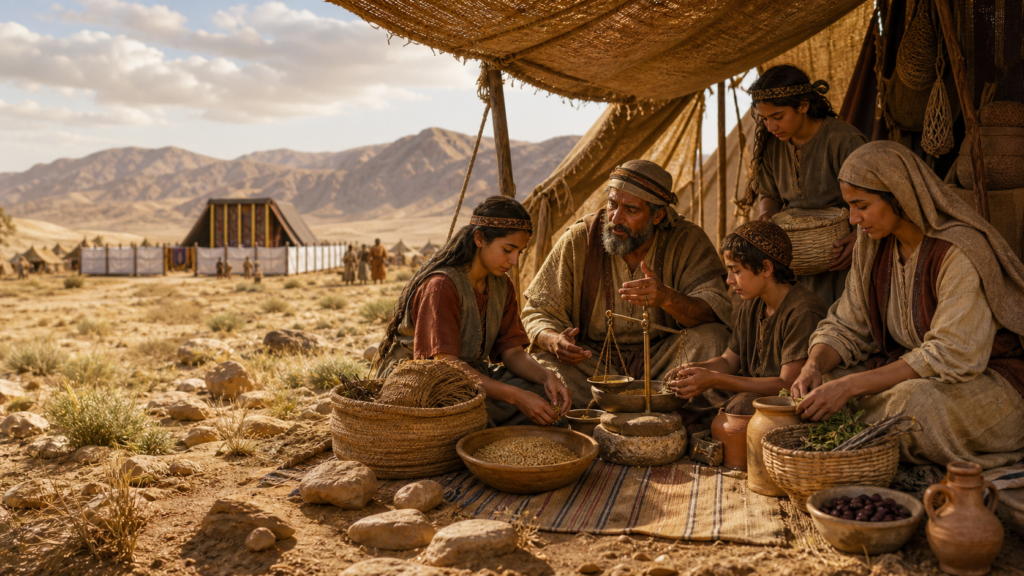
Download this article (PDF) Click to listen: When the Land Mourns, Do Not Look Away | Joel 1 See the loss honestly What do we do when loss reaches our work, our food, our worship and the land around us? Our opening Joel study invites you into Joel 1:1–20. The chapter faces devastation directly. It calls people to hear, remember, wake up, gather and cry out to the LORD. Faithful lament begins by attending to what has happened. Follow the chapter’s movement Joel begins with a call to hear and tell the next generation. The locust devastation reaches crops and wine, the offerings brought to the LORD and the people whose work depends on the land. The grief expands beyond one household or occupation. Near the chapter’s end, even the animals suffer. As you read, notice whose loss is named and how the summons to prayer gathers people together. Bring grief into prayer The chapter calls for communal lament and repentance. Our study asks you to remember the Giver, see the damage without looking away and hear the invitation to gather before the LORD. Read Joel 1:13–20 slowly. What does the community do? What does the prophet say as he turns toward God? Let those questions lead your reading rather than rushing to explain every loss. Do not invent blame Joel speaks within his own setting. That does not authorize us to identify a hidden personal sin behind a modern disaster or assume that its victims are worse sinners. Our teaching reads this pastoral question alongside Luke 13:1–5 and John 9:1–7. We can take suffering seriously, pray and respond faithfully without pretending to know another person’s guilt. Continue toward Jesus The study follows Joel’s later hope toward Jesus through Acts 2 and Romans 10. This is a later canonical connection, distinct from Joel 1’s immediate setting; Joel 1 is not treated as a line-by-line prediction of Pentecost. Begin with the chapter itself, then follow the wider study. The planned next passage is Joel 2:1–17. It is a continuation to anticipate, not a claim that the next episode is already available. Sources and reading boundaries Primary passage: Joel 1:1–20. Scripture translation: Berean Standard Bible, third printing. Study sources: Duane A. Garrett, Hosea, Joel, New American Commentary 19A (1997), Joel introduction and 1:1–20; James L. Crenshaw, Joel, Anchor Yale Bible 24C (1995; Yale edition 2008), historical setting and commentary on 1:2–20. Their dating conclusions differ; our teaching assigns no precise year. It does not identify the four locust labels as four empires, species or developmental stages. The illustrations are artistic interpretation rather than historical photographs. This article follows the released teaching and its source notes. All teaching remains free. Voluntary support.

When the Land Mourns: Reading Joel 1 Read More »

Jacob’s Journey: Struggle and Reconciliation

Download this article (PDF) Listen to the full release A family story worth hearing We return to Isaac, Jacob and Esau through Genesis 23:1–33:20. Our existing three-hour Bible sleep story is now available to hear. Calm narration is followed by a nonverbal rest section. You can listen for as long as you choose, then return to the passage with an open Bible. Follow the movement The story begins with Sarah’s burial and Rebekah’s journey to Isaac. It continues through Abraham’s final years, Isaac and Rebekah, the twins, the blessing conflict, Jacob’s flight, his years with Laban and the growing household. The return journey brings struggle and a meeting with Esau. Reading the whole movement keeps one dramatic scene within the family’s larger story. Slow down at the reunion Read Genesis 32–33 together. Attend to Jacob’s preparations, the encounter during the night and the brothers’ meeting. Notice what the narrator says and what each person actually does. Questions that remain open can prompt further reading; we do not need to supply every character’s unspoken thought. Scripture and reflection The recording reads Genesis 23:1–33:20 using the Berean Standard Bible. Its later biblical reflections toward Jesus remain distinct from the Genesis events and from the knowledge of the characters. The visual landscape is an AI-assisted artistic interpretation. It supplies atmosphere rather than historical evidence. Continue at your own pace This release offers Scripture reflection and rest; it makes no promise of sleep or a health outcome. Do not use the rest recording while driving or operating machinery. Open Genesis 33 and ask: what details of the reunion catch your attention, and what would you like to read again? Scripture quotations in the recording use the public-domain Berean Standard Bible, third printing. Source: Genesis 23:1–33:20; BSB terms at https://berean.bible/terms.htm. No archaeology, absolute dates or Hebrew word-definition claims are made in this article. All our teaching remains free. Voluntary support.

Jacob’s Journey: Struggle and Reconciliation Read More »

Return to the Simple Message of Jesus

Download this article (PDF) Watch the complete release Familiar words, fresh attention We can hear a familiar message so often that we stop listening closely. In Lord, Do It Again, Roger Ferguson remembers Billy Graham and returns to Scripture and Jesus. We invite you to watch the complete teaching, then open the passages for yourself. The teaching closes with Roger’s own on-camera invitation and prayer. Begin with the Word Read John 1:1–5 and 14 in their literary context. Notice how John speaks of the Word, life, light and becoming flesh. Then read Colossians 1:15–20. These passages help us attend to Jesus rather than allowing a remembered public figure to become the center of our faith. History and application Billy Graham’s public ministry supplies historical context for this reflection. The Billy Graham Evangelistic Association preserves his Washington message following September 11, 2001. The Billy Graham Library’s article Through the Foot of the Cross records Franklin Graham’s description of the Library’s focus on Jesus and the cross. Keep that attribution clear: those opening remarks are Franklin’s. Read toward Jesus This teaching is shared for Simchat Torah, a later Jewish celebration of completing and restarting the Torah-reading cycle. Our Christian reflection is an application alongside that celebration, not a claim that the later custom is identical with the Torah’s commanded festivals. Let the occasion prompt attentive reading without replacing Jewish practice with our own meaning. Continue with the passages Read Nehemiah 8:1–3,12; John 1:1–5,14; 1 Corinthians 1:18,22–24; 2 Corinthians 1:3–4; Colossians 1:15–20; and 2 Timothy 3:15–17. What invites you to return to Jesus with fresh attention? Scripture quotations in the full teaching use the Berean Standard Bible. This article reproduces no archival audio, exhibit photographs or historical quotations. Historical references: BGEA, Address at National Day of Prayer and Remembrance; Billy Graham Library, Through the Foot of the Cross. All our teaching remains free. Voluntary support.

Return to the Simple Message of Jesus Read More »

Begin Again: Returning to Scripture with Fresh Attention

Download the PDF edition of this article: Free printable article Watch the complete release The ending becomes an invitation Finishing a reading can feel like putting a book away. Simchat Torah gives us a different picture: the Torah-reading cycle reaches its end and begins again. We share this teaching because returning to Scripture can be an act of attentive joy rather than a sign that we have failed to learn it the first time. Keep the celebration’s identity clear Simchat Torah is a later Jewish celebration of completing and restarting the annual Torah-reading cycle. It is distinct from the Torah-commanded festivals. Sukkot belongs to the festival instructions in Leviticus 23; we should not make the later celebration identical with it. Jewish practice deserves to be described on its own terms before we speak about what it prompts in our own reading. Read, listen, begin again Deuteronomy 31:9–13 places public Torah reading within Israel’s covenant life. Read that passage, then the ending of Deuteronomy and the opening of Genesis. What does the movement from one to the other help you hear? Our teaching follows this reading path while distinguishing Scripture from later Jewish custom. Our reading toward Jesus John 7 places Jesus at Sukkot. It does not establish that He observed the later Simchat Torah celebration. When we read Scripture toward Jesus, we identify that as our Christian reading. John 1, John 5 and Luke 24 belong to that part of the conversation; they do not erase the Jewish celebration’s own meaning. Source notes Scripture: Leviticus 23; Deuteronomy 31 and 34; Genesis 1; John 1, 5 and 7; Luke 24. The teaching distinguishes commanded festivals, later Jewish practice and MMAB’s theological application. Watch the complete teaching for its fuller explanation and qualifications. All our teaching remains free. Voluntary support. CONTINUE THE STUDY Listen to the related lesson: Click to listen: Simchat Torah: Begin Again — Sukkot, the Torah Cycle, and Jesus

Begin Again: Returning to Scripture with Fresh Attention Read More »

Waters, Land, Seed and Fruit: Reading Genesis Together

Download the PDF edition of this article: Free printable article Watch the complete release Slow down in a familiar passage Genesis 1:6–13 can be familiar enough that we read it without noticing its movement. Waters are divided. Dry land appears. Vegetation, seed and fruit come into view. In this conversation, Roger Ferguson and Yu Song stay with those details and ask what careful reading can help us see. Begin with the passage Read Genesis 1:6–13 before watching. Notice what the text names, what it distinguishes and what comes next. Let the passage set the questions. A conversation may open possibilities we had not noticed, but a possibility is not the same thing as something the text explicitly says. Hear interpreters without merging them Roger and Yu compare named Jewish and Christian interpretations. Those interpretations are voices in a conversation, not a single undifferentiated account of what every Jewish or Christian reader believes. We invite you to listen for where a speaker is reading the text, describing an interpreter’s position or offering an application. Follow the conversation toward Jesus The discussion carries seed and fruit into Jesus’ teaching. Luke 6:43–49 is one passage to read alongside that movement. This is a reading connection and an application, not a claim that Genesis 1 explicitly explains every later saying about fruit. Which detail in Genesis invites you to return and read more carefully? Source notes Primary passage: Genesis 1:6–13. Further reading: Luke 6:43–49. Conversation: Roger Ferguson and Yu Song, Waters Divided, Land Appears. Consult the complete episode and its approved public source notes for speaker attribution and the limits on individual interpretive and historical claims. This article makes no independent claim about translator motives, medieval Bible access or speculative genealogy. All our teaching remains free. Voluntary support. CONTINUE THE STUDY Listen to the related lesson: Click to listen: Waters Divided, Land Appears | Genesis 1:6–13

Waters, Land, Seed and Fruit: Reading Genesis Together Read More »

Before Esau: The People Genesis Remembers

Download the PDF edition of this article: Free printable article Watch the complete release A land already full of lives It is easy to let a genealogy become a blur of names. Genesis 36 asks us to slow down. Before we read the next part of Jacob’s family story, we meet Seir the Horite and his descendants. Esau’s arrival does not mark the beginning of human life in that land. Scripture gives us an older human landscape. Read the names as people Read Genesis 36:20–30 beside the preceding account of Esau’s household. Notice the families and chiefs the passage names. The brief detail about Anah finding hot springs while tending his father’s donkeys interrupts the list with an ordinary scene. We do not need to invent a biography to recognize that these names belonged to lives. What we are claiming The passage identifies people and relationships; our Short draws attention to that narrative detail. We are not presenting a reconstruction of Horite society or claiming that every historical question has been settled. Our artwork supports the reading rather than proving an archaeological scene. A question to carry Luke 12:6 reminds us that small and easily overlooked lives are not forgotten before God. That is a separate Gospel reference, not a claim that Genesis 36 states the same lesson directly. What changes when you read these names as people rather than a list? Watch the Short, then return to the passage and see what you notice. Source notes Scripture: Genesis 36:20–30 and Luke 12:6, Berean Standard Bible. Claims are limited to the text and its narrative sequence. No external historical reconstruction is asserted. All our teaching remains free. Voluntary support.

Before Esau: The People Genesis Remembers Read More »

After Eden: Cain, Abel and a Family’s Continuing Story

CONTINUE THE STUDY Listen to the related lesson: Click to listen: Cain and Abel: What Happened After Eden? | Animated Bible Story Download the PDF edition of this article: Free printable article Watch the complete release What happens after Eden? Our new animated Bible episode returns to the first family after Eden. Cain and Abel’s conflict is not treated as an isolated scene: Genesis continues through the family’s generations toward Noah. We invite you to watch the eight-minute episode, then read Genesis 4–5 for yourself. Let Scripture carry the story The episode dramatizes Genesis 4:1–5:32, using all 58 verses in the Berean Standard Bible. Narrator orientation and the next-time preview are editorial framing, not additional Scripture. The words of the passage remain distinct from the animation that helps us follow them. What the pictures can and cannot tell us The characters, clothing, landscape and movement are artistic interpretation. They are not a verified archaeological reconstruction. The episode makes no claim about the nature of Cain’s mark, the identity of his wife, Nod’s exact location, the murder weapon or the mechanism of the offerings’ reception. Nor does it invent a mechanism for Enoch’s departure. Read the generations carefully As you move from Genesis 4 into Genesis 5, keep Cain’s and Seth’s lineages distinct. Notice the stated ages without turning them into invented dates. What do you hear when you read the whole movement rather than stopping at the brothers’ conflict? The story’s continuation matters, and the next episode remains a future work rather than a public release. Source notes Primary text: Berean Standard Bible, Genesis 4:1–5:32; berean.bible and Bible Hub’s BSB Genesis 4 and 5. BSB is public domain. Research includes Kenneth A. Mathews, Genesis 1–11:26, New American Commentary, through Roger’s licensed Logos library. No substantial commentary quotation is reproduced. Original AI-assisted MMAB artwork and synthetic character voices are under human editorial direction. General teen/adult audience; no graphic injury. All our teaching remains free. Voluntary support.

After Eden: Cain, Abel and a Family’s Continuing Story Read More »

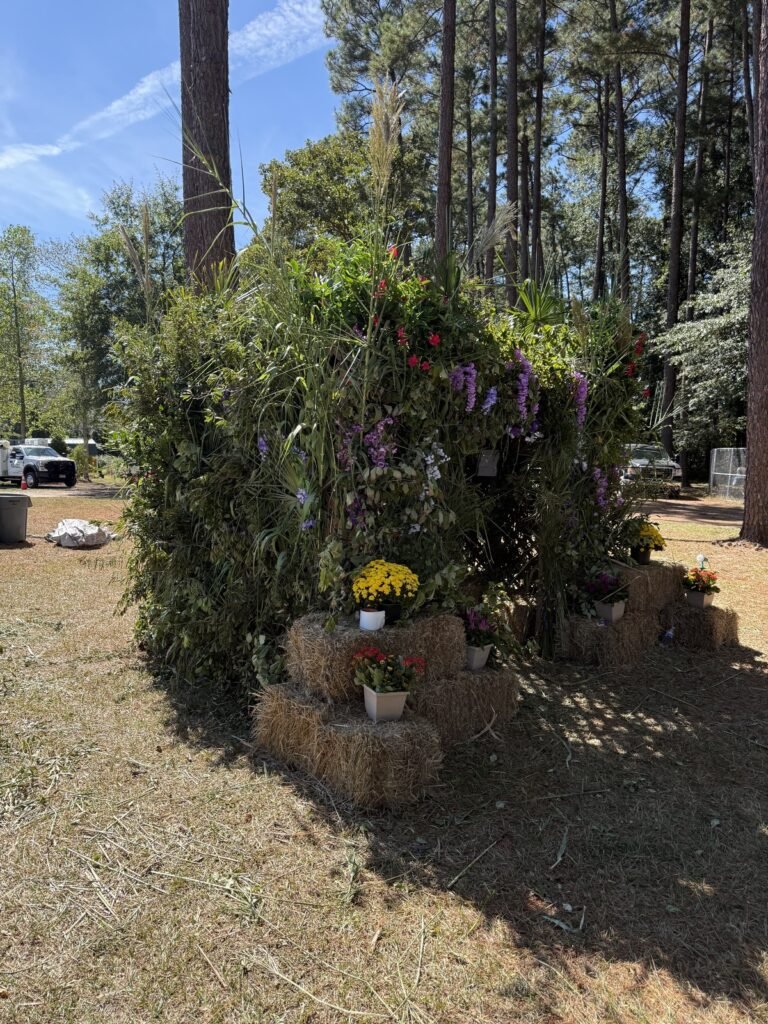
Sukkot evening table under a leafy booth, pointing toward the hope of resurrection and God's dwelling with His people

The Day After Seven: Sukkot, Sunday, and the Resurrection of Jesus

Why did the first day of the week become special to followers of Jesus? The clearest answer is the resurrection. Jesus rose on the first day. But the Bible’s fall calendar gives us a beautiful pattern for thinking about what that day means. Sukkot—pronounced “Sue-Coat”—is the seven-day Feast of Booths, also called the Feast of Tabernacles. Israel was commanded to rejoice before God, remember His care in the wilderness, and dwell for a time beneath temporary shelters. Then the Torah adds something striking: after the seven days comes an eighth-day assembly. Download the Article Seven days—and then an eighth Leviticus 23:36 says: “For seven days you are to present a food offering to the LORD. On the eighth day you are to hold a sacred assembly and present a food offering to the LORD. It is a solemn assembly; you must not do any regular work.” Leviticus 23:39 describes complete rest on both the first day and the eighth day. In Jewish life, this eighth day is known as Shemini Atzeret, meaning “eighth-day assembly.” It follows the seven days of Sukkot. It is connected to the feast’s sequence, yet Jewish practice also treats it as a festival with its own character. That distinction matters. We should not flatten a rich biblical and Jewish observance into a convenient Christian symbol. The biblical pattern itself, however, is clear: seven days reach their completion, and then an eighth day is set apart before God. The first day Jesus made unforgettable All four Gospels place the discovery of the empty tomb on the first day of the week. John 20:1 says: “Early on the first day of the week, while it was still dark, Mary Magdalene went to the tomb and saw that the stone had been removed from the entrance.” That evening, while the disciples were together behind locked doors, Jesus came and stood among them. His greeting was simple and immense: “Peace be with you!” Jesus rose on the first day. That day would never be ordinary again. How can one day be both first and eighth? A week has seven days. The day after that completed seven begins a new week, so it is the first day. But if we look backward and continue counting beyond the completed seven, the same day can also be spoken of as an eighth day. This is not a claim that the calendar contains an eighth weekday. It is a theological way of seeing a new beginning after completion. The Gospels never say that Jesus rose during Sukkot. The New Testament never explicitly identifies Sunday with Shemini Atzeret. We should not claim either one. But I believe the eighth-day pattern surrounding Sukkot gives us a meaningful shadow of resurrection. On the first day of the week, Jesus stepped out of the grave. The old week had ended. Death had done its worst. Then God brought life where death appeared to have the final word. Jesus made that first day special—not by erasing everything that came before it, but by making it the morning of resurrection. Eight days later: peace for Thomas John adds another beautiful detail. John 20:26 says: “Eight days later, His disciples were once again inside with the doors locked, and Thomas was with them. Jesus came and stood among them and said, ‘Peace be with you.’” The risen Jesus meets fearful people with peace. He meets Thomas’s doubt with His wounded, living presence. This verse does not prove a Sukkot connection. It does deepen John’s first-day resurrection scene with another gathered appearance “eight days later.” The emphasis remains Jesus Himself: crucified, risen, present, and worthy of faith. Did Sunday replace the Sabbath? This article is not making that claim. Acts 20:7 records believers gathering to break bread on the first day of the week. In 1 Corinthians 16:2, Paul tells believers to set aside their gifts on the first day of every week. These passages show that the first day gained a particular place in the life of Jesus’ followers. They do not, by themselves, settle every question about Shabbat, Sunday, and later Christian practice. The most responsible statement is also the most beautiful: the resurrection gave the first day a new glory. By the middle of the second century AD, Justin Martyr explained that Christians gathered on the day called Sunday because it was the first day of creation and the day Jesus rose from the dead. An earlier Christian writing, the Epistle of Barnabas, explicitly used “eighth day” language for the resurrection day. These writings are not Scripture, and MMAB does not adopt their polemics against Jewish practice. They do show that Christians were reflecting on the first day, the eighth day, creation, and resurrection very early. Sukkot, dwelling, and creation made new Sukkot teaches Israel to remember God’s provision and His presence through a temporary dwelling. The Gospel of John says that the Word became flesh and made His dwelling among us. The Greek wording carries the sense of pitching a tent or tabernacling among us. Revelation carries that theme to its promised fullness: “Behold, the dwelling place of God is with man, and He will dwell with them.” —Revelation 21:3 The resurrection of Jesus is not merely one surprising morning in the past. It is the beginning of the new creation. Jesus rose to live for us and to bring us to Himself, when He will tabernacle with us. That is where the eighth-day reflection becomes an invitation. The temporary shelter reminds us that the present age is not permanent. The empty tomb tells us that death is not permanent either. A simple way to remember During Sukkot, gather your household or a few friends for a meal. Read Leviticus 23:33–44. Read John 20:1–20. Thank God for specific ways He has carried and provided for you. Thank Jesus for His resurrection. Pray for your home to become a place of welcome. Make room at the table for someone who might otherwise be alone. This simple practice is
The Day After Seven: Sukkot, Sunday, and the Resurrection of Jesus Read More »